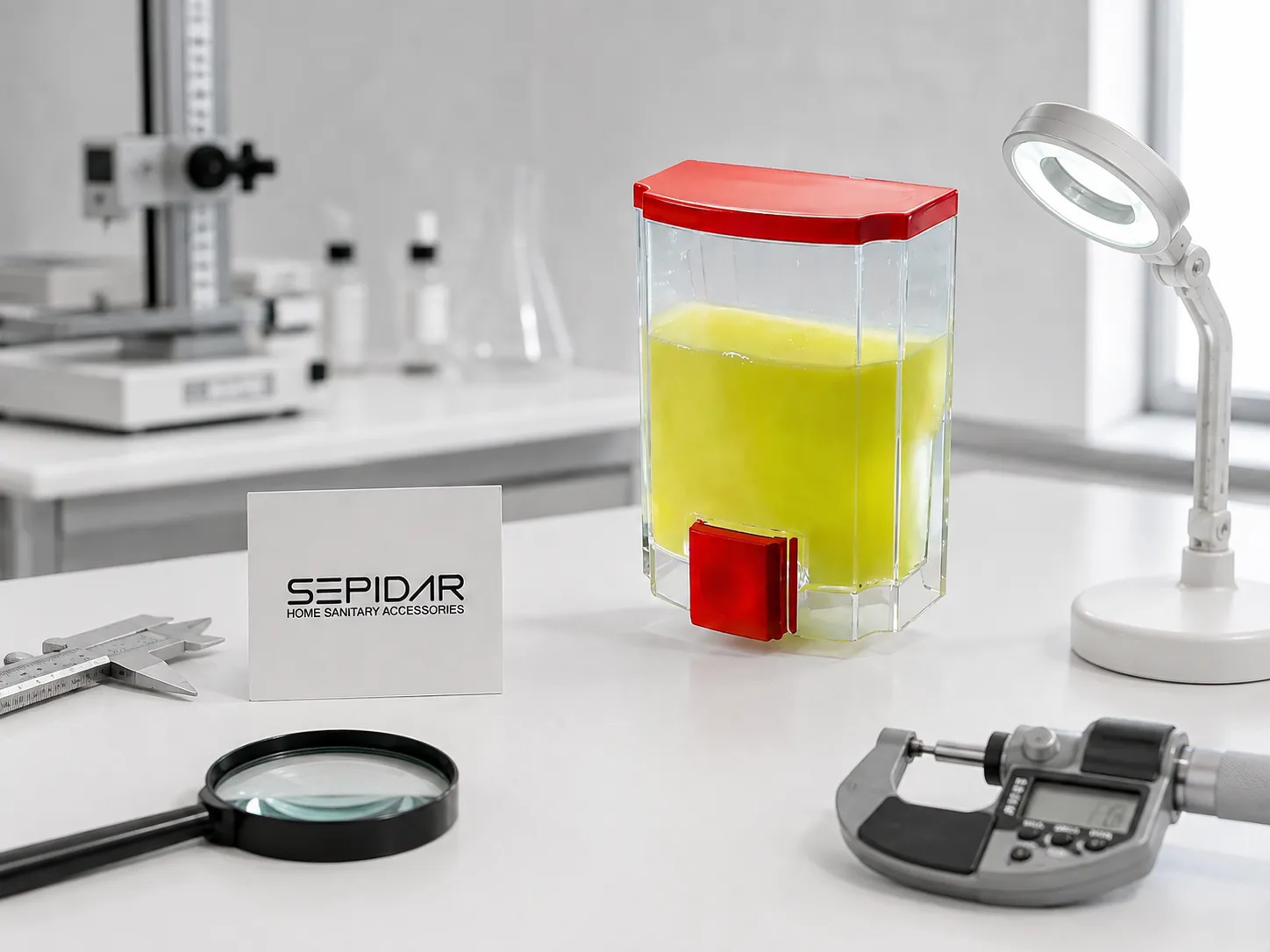
Guide at a Glance
This guide helps procurement and facilities teams choose liquid soap dispensers and washroom accessories by installation point, cleaning routine, refill access and the requirements of each space. No single capacity or material is right for every project: confirm the specifications of the exact model and match them to the facility’s needs.
- Map washrooms, basins and mounting points before estimating quantities.
- Check each model’s stated capacity, pump and cleaning instructions.
- Request samples or technical information when comparing options.
- Confirm colors, quantities, packaging and delivery timing with the supplier.
Why Project Requirements Vary
A guest-room washbasin is used differently from a public washroom in an office or a healthcare facility. Usage patterns, available space, mounting conditions and the facility’s service routine all affect the right choice. Compare the actual product specifications with the intended application instead of choosing from a photo or purchase price alone.
If you are still comparing wall-mounted and countertop designs, start with our guide to choosing wall-mounted and countertop soap dispensers.
Key Criteria for Project Soap Dispensers
1. Installation Point and Use
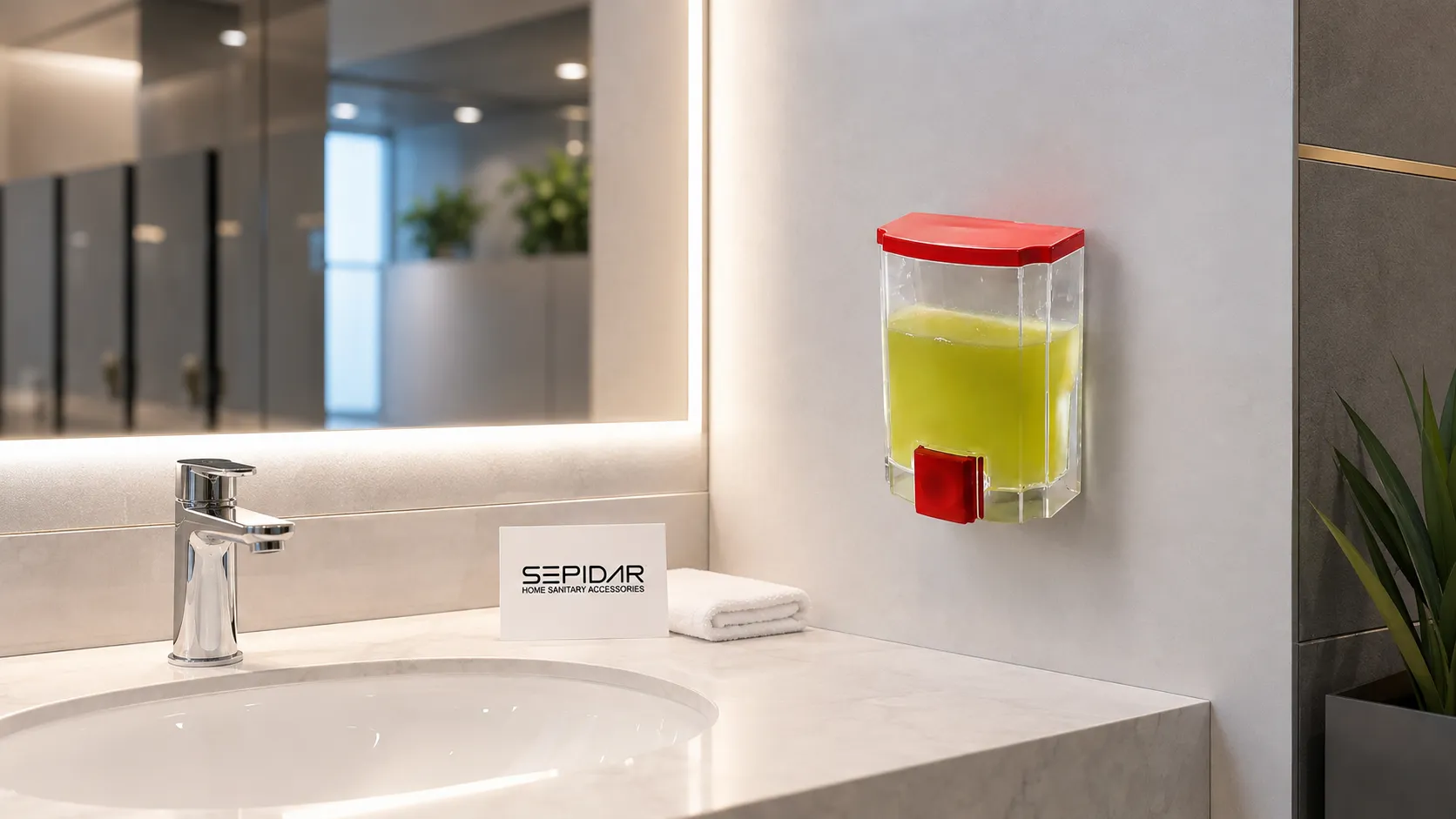
A wall-mounted unit can keep the basin counter clear and establish a consistent fitting position. A countertop dispenser may suit selected guest rooms or basins with enough space. Check the mounting surface, installation height and access for refilling and maintenance before finalizing the layout.
2. Capacity and Refill Schedule
Compare the capacity stated for each model with expected use and the facility’s service intervals. A smaller reservoir may need more frequent refills, while a larger one is not automatically the best fit for every basin. Record the manufacturer’s model-specific capacity rather than applying a generic number to all hotels, offices or hospitals.
3. Pump and Soap Compatibility
Review how the dispenser operates, how the reservoir is refilled and whether the pump can be accessed for care or replacement. Match the soap type and viscosity to the product instructions; compatibility varies by model. If a spare part is needed, confirm it fits the selected unit before ordering. See soap dispenser pumps and parts.
4. Cleaning and Routine Care
Choose a design that gives staff practical access to the reservoir and exterior surfaces. Ask the supplier for care instructions for the exact model and materials. Do not assume that every disinfectant or chemical is compatible with every dispenser; follow the product guidance and the facility’s own cleaning protocol.
5. Design and Coordinated Fixtures
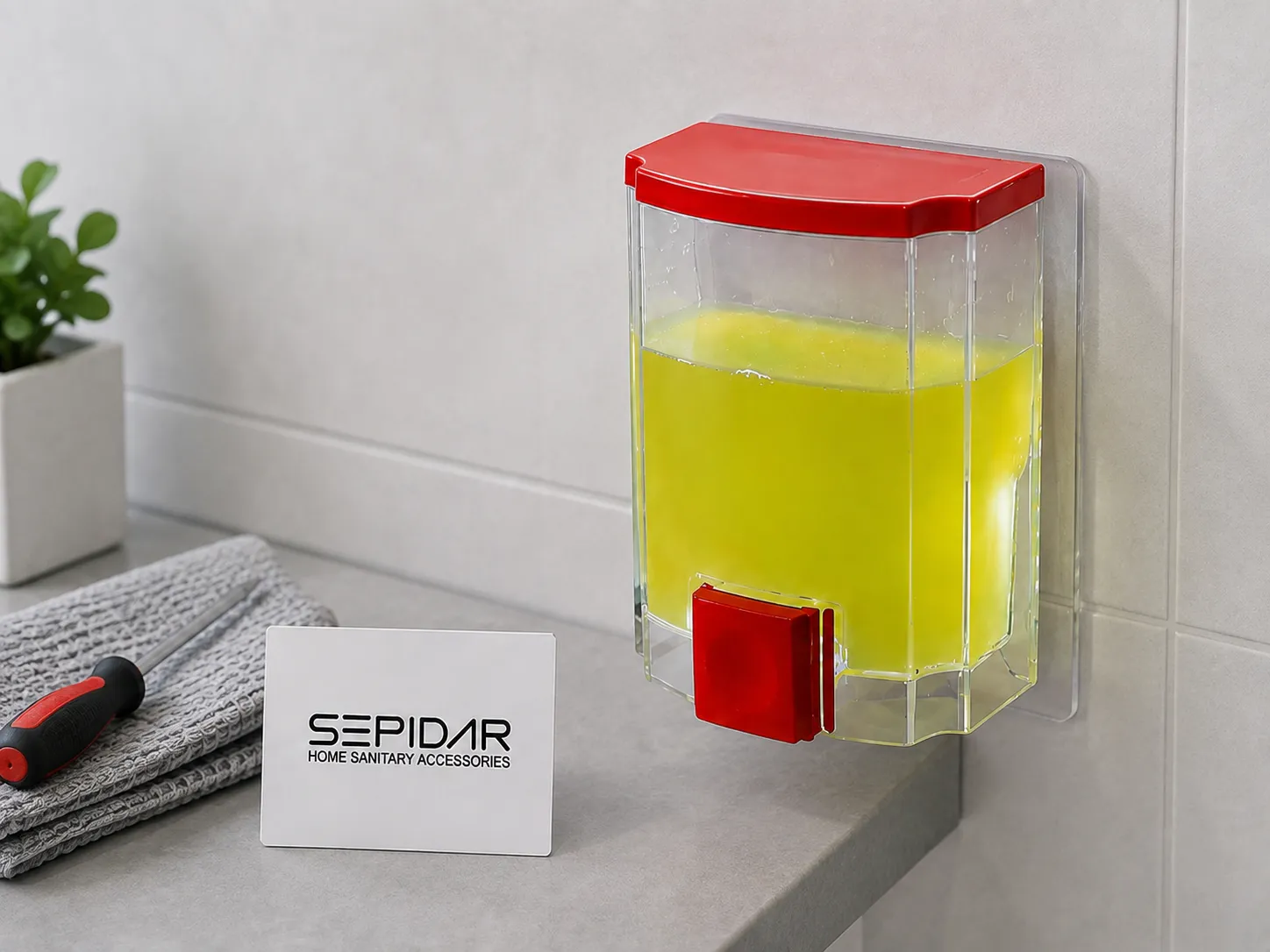
In hotels and offices, color and form contribute to the overall washroom finish. Compare current product photos or available samples, and confirm that the selected color and finish can be supplied for the required quantity and schedule. Availability may vary by model.
How Priorities Differ by Facility
Hotels and Hospitality
Separate guest rooms from public washrooms when planning. A countertop unit may suit some guest-room basins, while a wall-mounted option may help organize public areas and keep counters clear. Consider refill access, cleaning and coordination with the interior finish.
Hospitals and Healthcare Facilities
The facility defines its operating, cleaning and material requirements. Do not assume that a dispenser meets a healthcare standard or is compatible with a particular disinfectant unless product documentation confirms it. Review the model specifications and care instructions with the appropriate facilities or infection-control team before approval.
Offices and Commercial Buildings
Balance the number of use points with service access and appearance. Standardizing a model across multiple locations can simplify procurement and staff routines, but first confirm that it fits the basins and maintenance process at each site.
Project Procurement Checklist
- Number of washrooms, basins and installation points.
- Mounting type for each area, with measurements or site photos if available.
- Selected model and its stated capacity.
- Soap type and the facility’s cleaning and maintenance procedures.
- Required colors, quantities and model availability.
- Sample or technical information, packaging and expected delivery date.
- Process for shortages, compatible spare parts and post-delivery contact.
For a private-label or manufacturing discussion, review our project enquiry options. Before selecting a supplier, see the criteria for choosing a reliable manufacturer.
Common Selection Mistakes
- Using general capacity or material recommendations without checking the model specification.
- Comparing only the purchase price while overlooking refilling, cleaning, spare parts and delivery terms.
- Applying guest-room requirements to public or healthcare washrooms without review.
- Ordering a large quantity before checking a sample, finish and supply schedule.
- Using soap or cleaning agents without checking care and compatibility instructions.
Frequently Asked Questions
Is a wall-mounted dispenser always better for projects?
Not always. The right option depends on basin space, use, mounting conditions and cleaning routines. Compare the models at the actual installation point.
How should a project estimate capacity?
Estimate use and the available refill interval, then compare them with the capacity stated for each model. Avoid using one generic figure for every facility.
Can any hospital disinfectant be used with any dispenser?
No. Check the manufacturer’s care and compatibility guidance for the exact dispenser, soap and cleaning agent, and follow the facility’s own protocol.
Request Project Supply Information
To review suitable models and quantities, share the facility type, number of basins, preferred installation, color and target delivery date. These details help Sepidar Plastic discuss available options based on actual product information. Contact Sepidar Plastic for project guidance or a quotation, or explore our project soap-dispenser supply page.