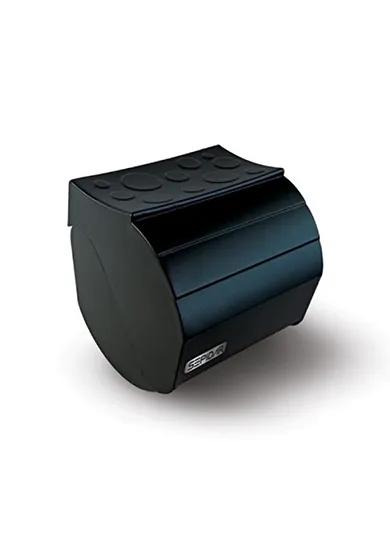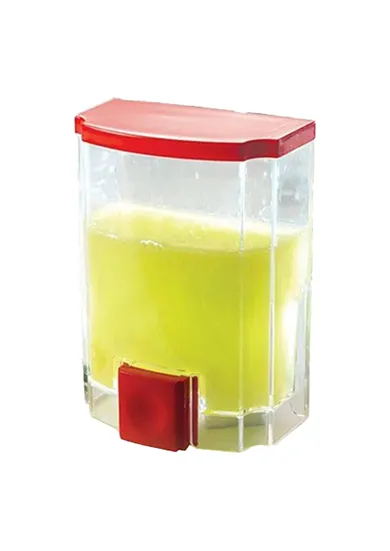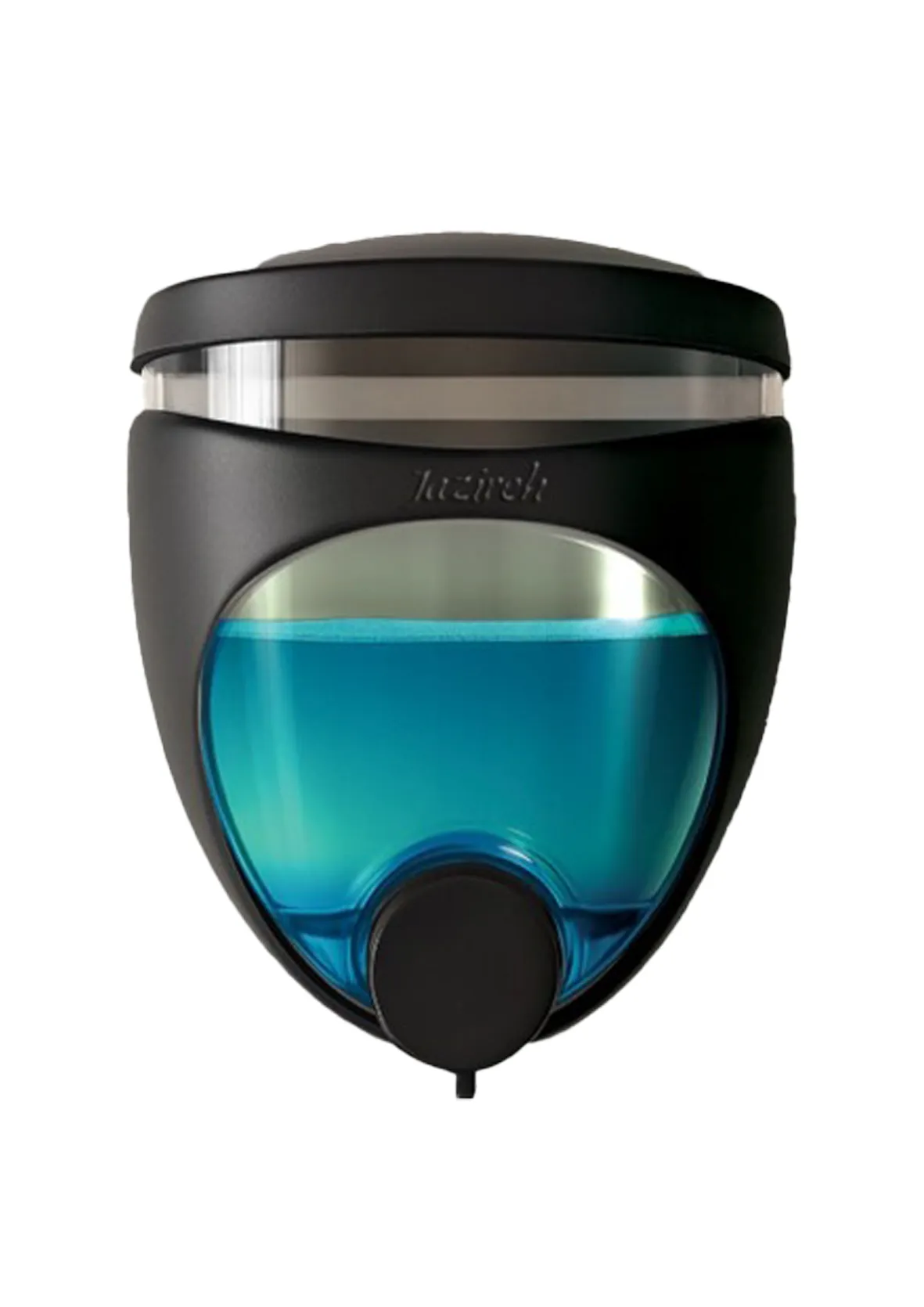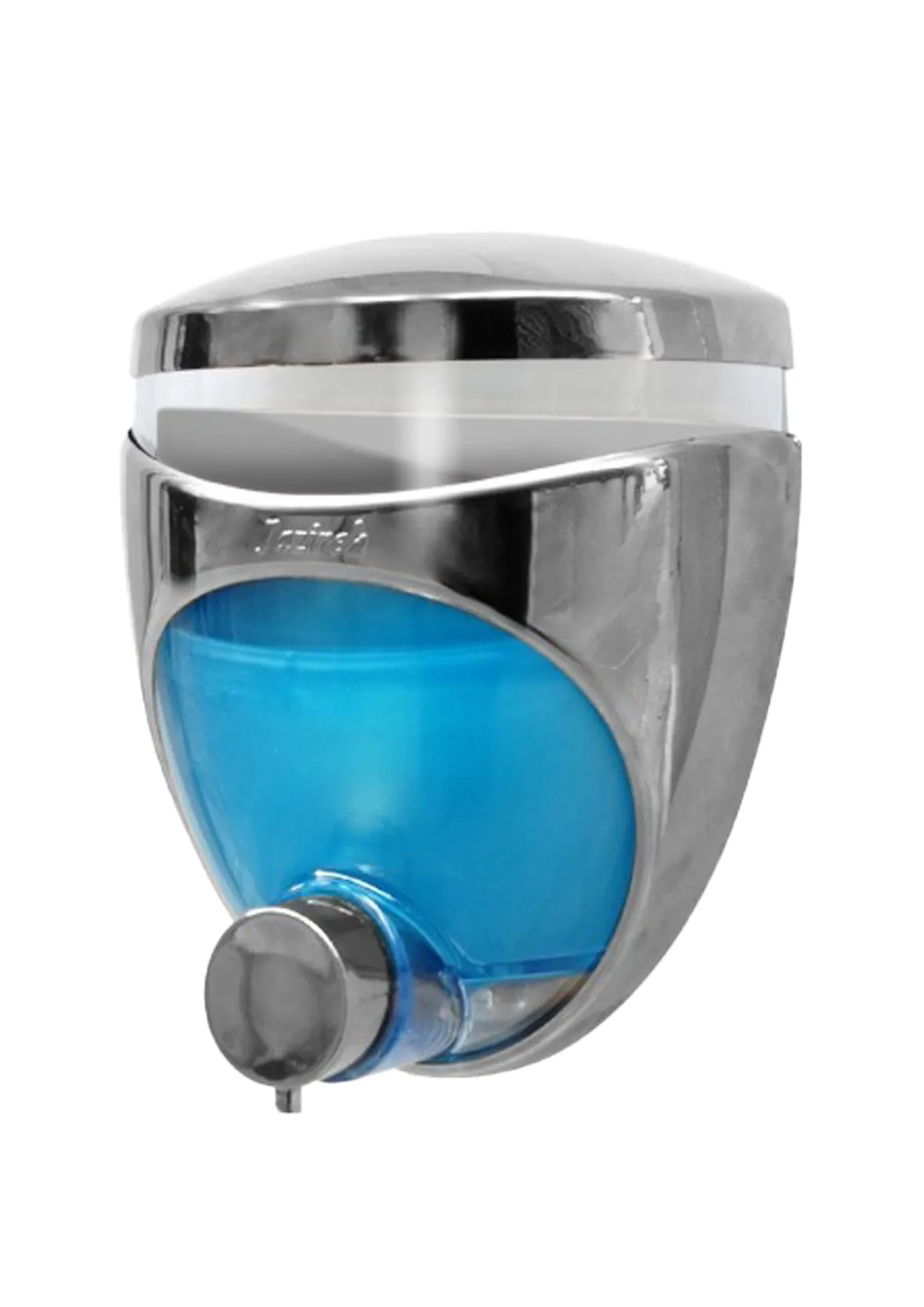
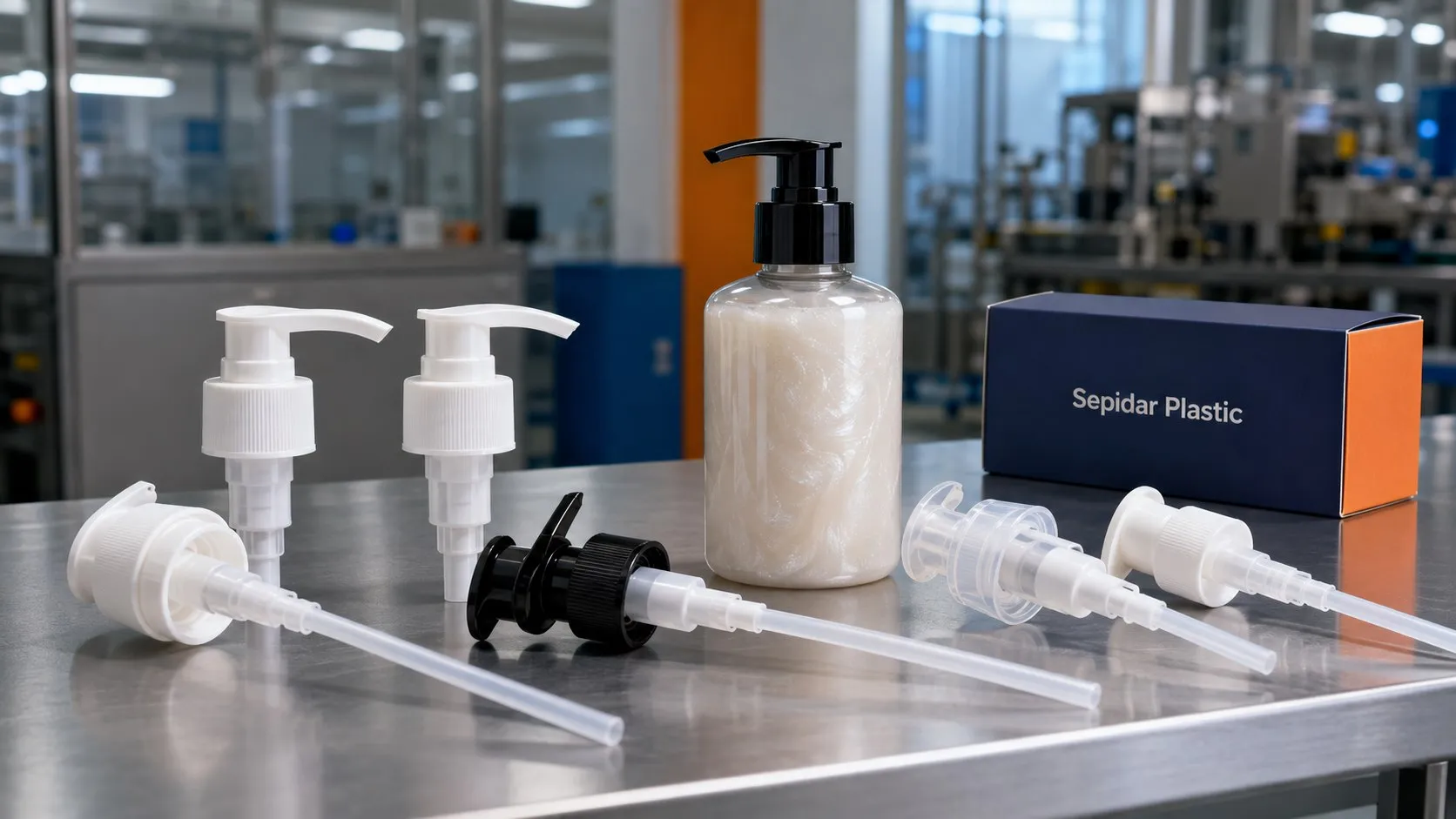
Bulk viscous-liquid dispenser pumps are designed for packaging and dispensing formulations that standard pumps cannot move with a consistent dose. However, “viscous” is not a precise specification: shampoo, dishwashing liquid, lotion and industrial detergents behave differently. The correct pump should always be tested with the actual formula and the final container.
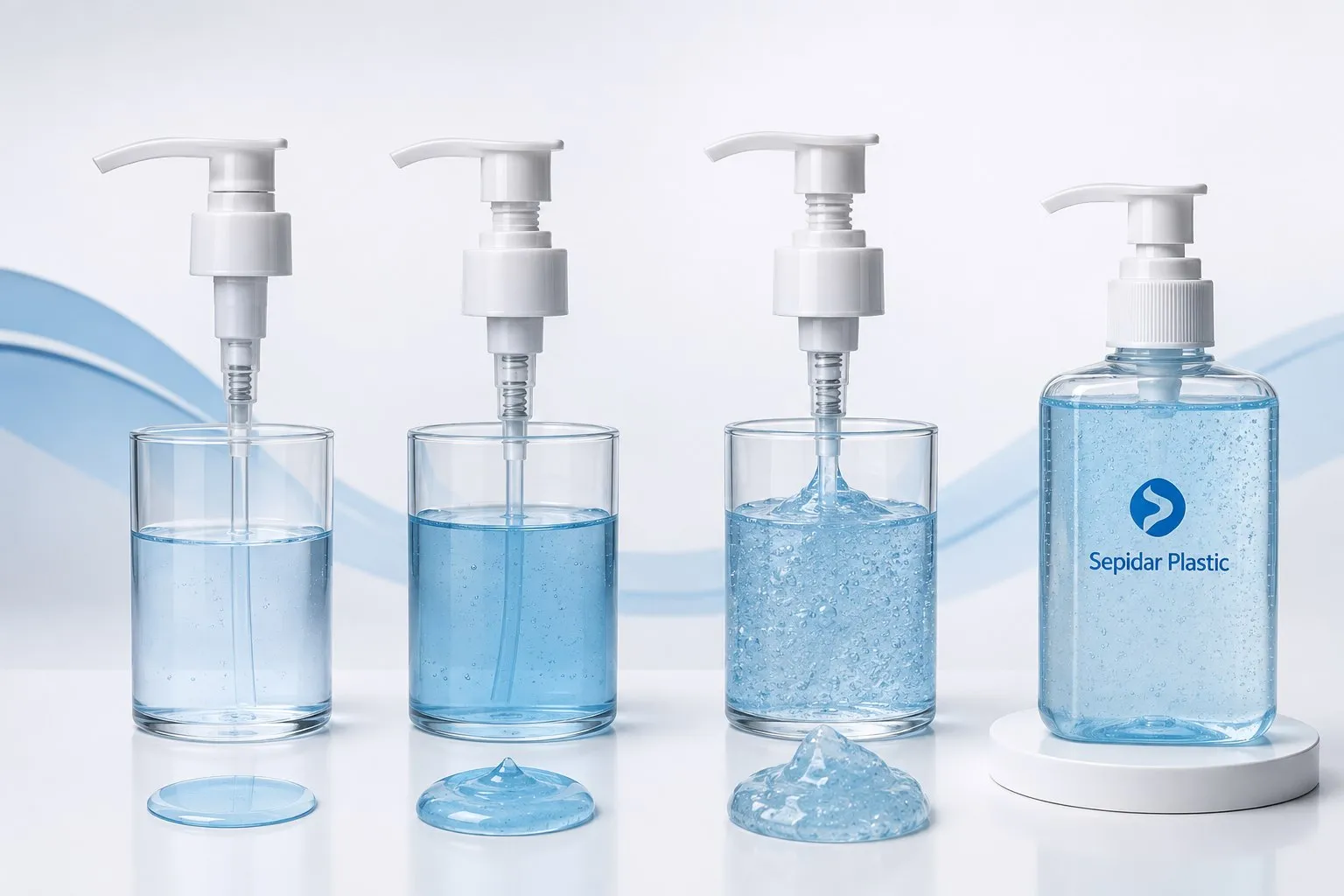
Why does viscosity matter?
The greater a liquid’s resistance to flow, the more carefully the pump pathway, spring and seals must be matched to draw and dispense it. Temperature can also change viscosity, so a sample that performs well in a warm room may behave differently in a cold warehouse.
Define the output per stroke
The dose must suit the application. Too little output forces the user to press repeatedly, while too much leads to waste. During sampling, measure several consecutive strokes and compare their consistency.
Dip-tube length and diameter
The tube should reach close to the bottom of the container, but pressing tightly against the base can restrict intake. Its internal diameter and flexibility also matter with thick formulas. Test the pump on the final container rather than evaluating it separately.
Sealing and head return
After the actuator is released, the mechanism should return fully and be ready for the next cycle. A head that remains depressed, air entering the system or leakage can indicate incompatibility with the formula, a blockage or a sealing issue.
Five practical tests before a bulk order
- Record how many strokes are required to prime the pump.
- Compare the output of ten consecutive strokes.
- Leave the filled dispenser unused for several hours and check for leakage.
- Test it at the normal warehouse temperature.
- After several days, inspect product drying at the nozzle and assess how easily it can be cleaned.
Common applications
Depending on its specifications, a viscous-liquid pump may be suitable for concentrated detergents, shampoos, gels and selected personal-care products. The buyer must confirm final compatibility with the real formulation because additives and suspended particles can affect performance.
What specifications should you provide for a bulk order?
- Liquid type and a real sample
- Container neck dimensions and height
- Required dip-tube length
- Target output per stroke
- Actuator colour and appearance
- Order quantity and packaging requirements
Storage and handling
Keep pumps in clean packaging away from dust and abnormal pressure. Inspect the dip tube and opening before assembly. Cleaning with an unsuitable substance may damage seals, so the cleaning method must match both the component materials and the liquid.
Conclusion
The best viscous-liquid dispenser pump is the one matched to your formula, container and usage pattern. Appearance alone is not enough; sample testing is essential. Explore Sepidar dispenser pumps and accessories, or contact our sales team for assistance with a bulk-order evaluation.
Related guides: For pump reliability, see the pump troubleshooting and maintenance guide; compare models in the Sepidar Plastic catalog and review selection criteria in the complete dispenser guide.