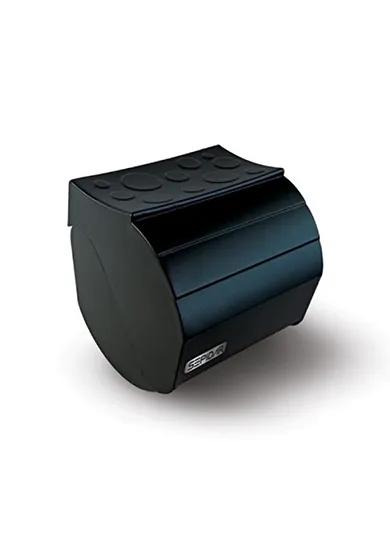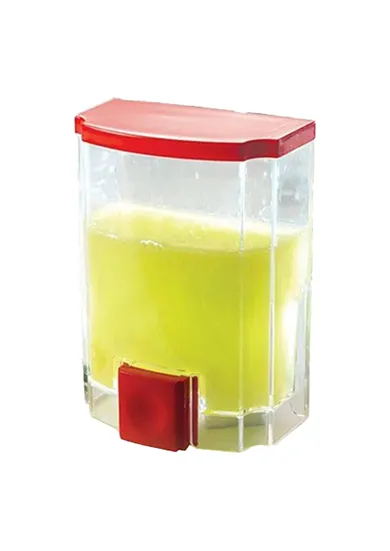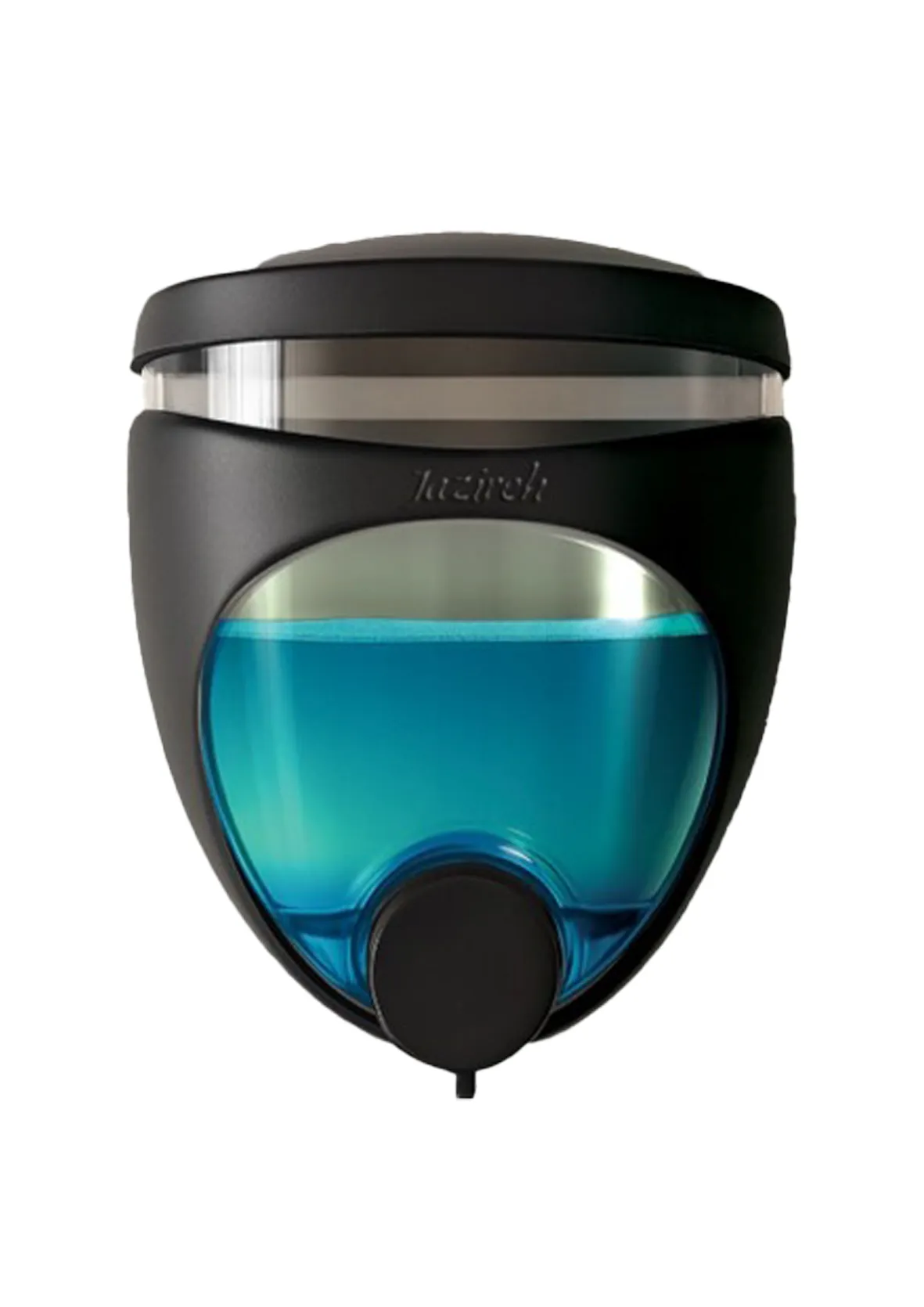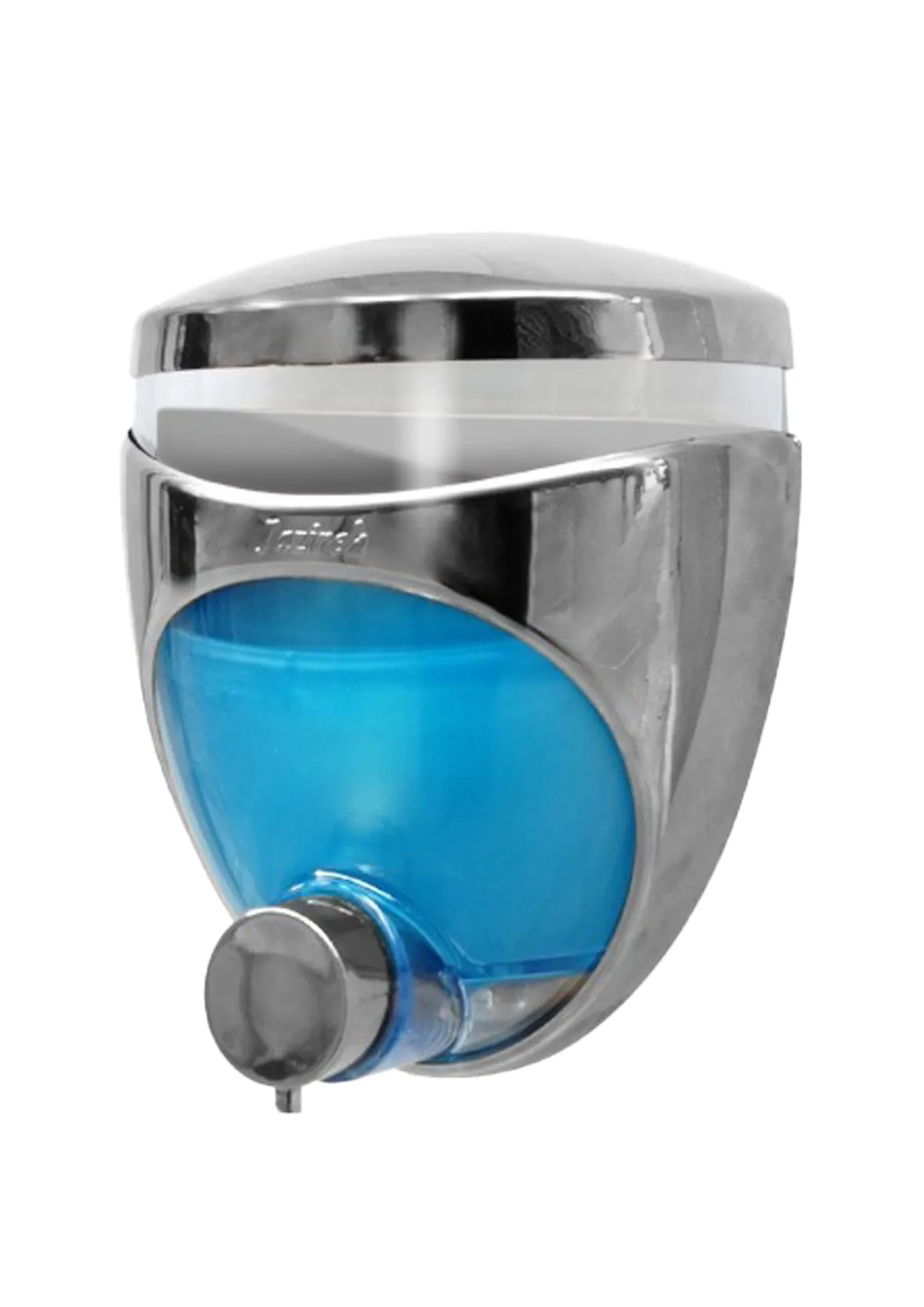
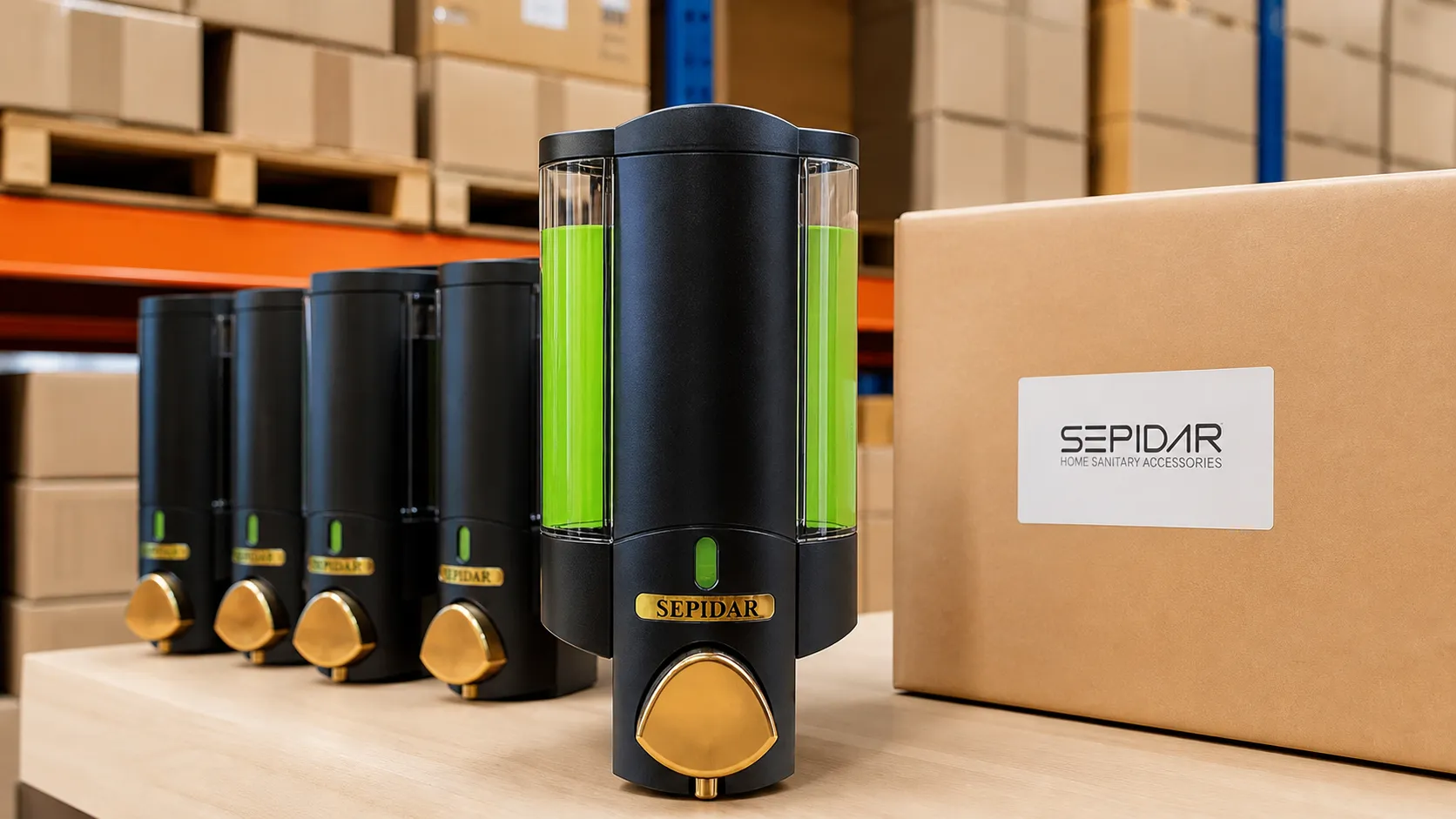
Choosing a wall-mounted soap dispenser manufacturer in Iran for retail, distribution, construction projects or private-label programs involves more than comparing prices. A wall-mounted product must perform reliably for months under frequent use, humidity and continuous contact with liquid. Leakage, a sticking pump or a failed mounting base can multiply service costs and customer dissatisfaction.
Once a supplier passes these checks, review the OEM and private-label process.
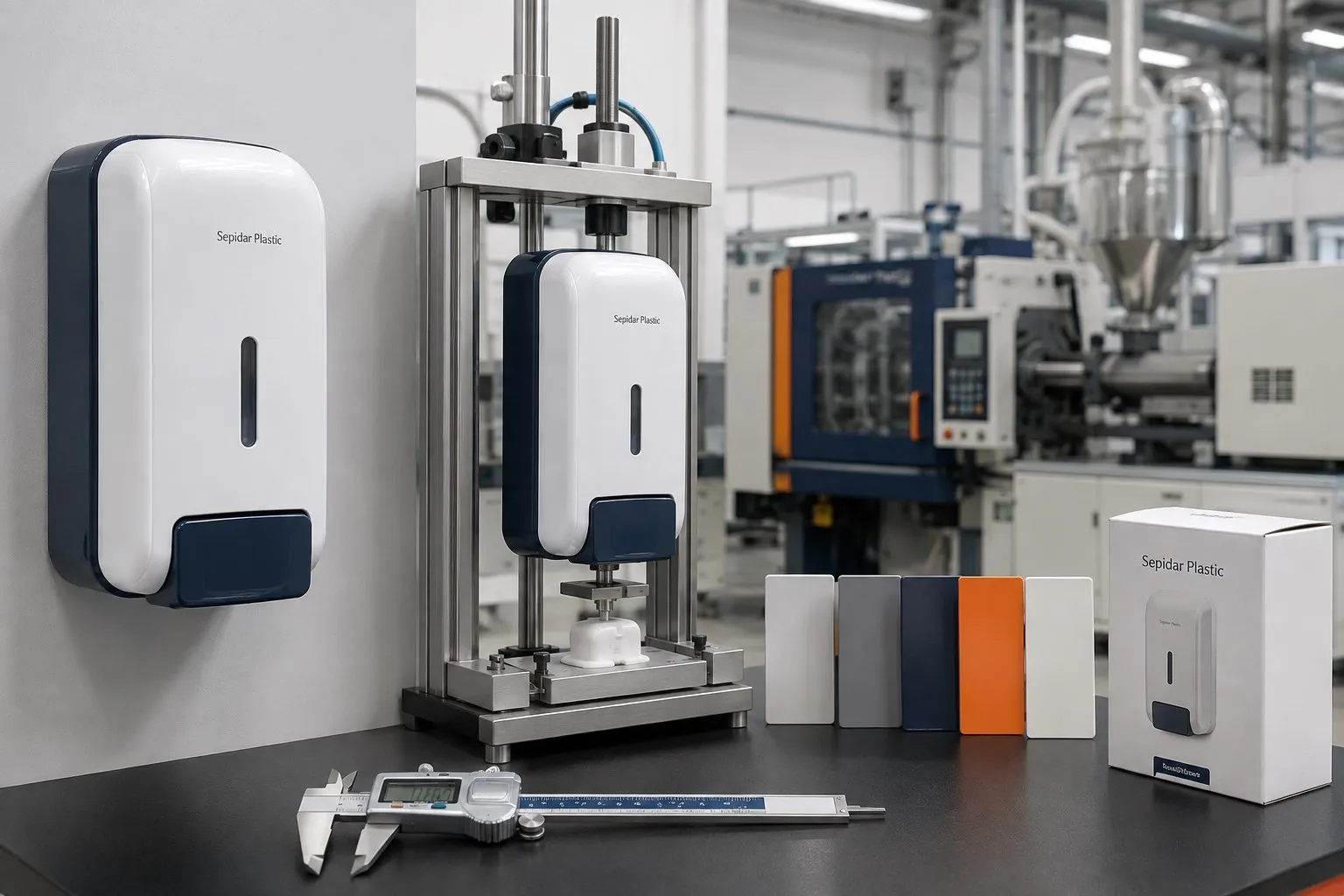
This guide presents nine practical criteria for evaluating a factory and selecting products based on real quality and total cost of ownership.
Compare suitable formats in the comprehensive dispenser guide.
1. Design Fit for the Intended Environment
A simple mechanism and modest capacity may be enough for a low-traffic washroom. Offices, clinics, schools and commercial facilities need a durable body, a serviceable reservoir and a pump suited to repeated use. Define user volume, liquid type and cleaning schedule before selecting a model.
For project supply, see the hotel, hospital and office equipment guide.
2. Body Material Quality
Raw materials directly affect impact resistance, color stability, surface quality and the life of connection points. A polymer name alone is not enough. Inspect samples for an even finish, warping, edge quality and accurate part fit.
3. Pump Performance with the Actual Liquid
Hand soap, shampoo and detergents do not share the same viscosity. Test the pump with the target liquid. Consistent output per stroke, full head return and no post-use dripping are three important signs of correct performance. For thicker liquids, also compare options in the dispenser pumps and components category.
4. Sealing and Leak Control
Leaks do not always come from the reservoir. Pump connections, tubes, caps and assembly joints must also be checked. During sampling, leave a filled unit in its installed position for several hours and then operate the pump repeatedly.
5. Secure Installation and Refill Access
The mounting base should fasten securely to a suitable surface while allowing easy access for refilling and cleaning. A design that forces service staff to dismantle the full unit increases maintenance costs.
6. Spare Parts and Support
Replacement pumps and components are valuable in large projects. Ask the manufacturer how service parts are ordered and whether model specifications will remain consistent for future purchases.
7. Visual Consistency Across Bulk Production
Color or plating differences between cartons can create an inconsistent project installation or retail display. The approved sample should remain the reference for color, surface finish and assembly.
8. Packaging for the Distribution Route
Packaging should protect surfaces and protruding components. For domestic distribution or export, carton strength, part separation and pallet layout become especially important.
9. Repeat-Order Capability
Distributors and brands need to reorder the same model with compatible specifications months later. A manufacturer with documented products and supply planning reduces the risk of unwanted changes.
Questions to Ask the Factory
- Which liquid types and viscosities is this model designed for?
- How are pump and leak tests performed?
- Which replacement parts are available and how are they supplied?
- What are the bulk quantities and packaging formats?
- What information is required for custom colors or packaging?
Conclusion
A reliable wall-mounted soap dispenser manufacturer treats the product as a complete system: body, pump, reservoir, mounting, packaging and support. Explore Sepidar’s wall-mounted dispenser range to compare models. For wholesale orders, export inquiries or project-specific proposals, contact the sales team.