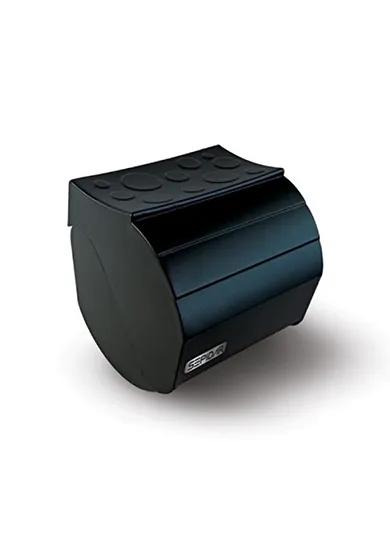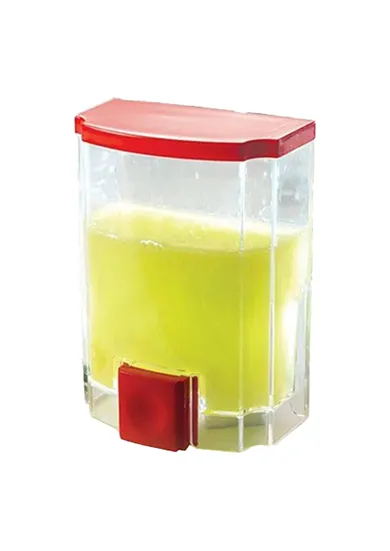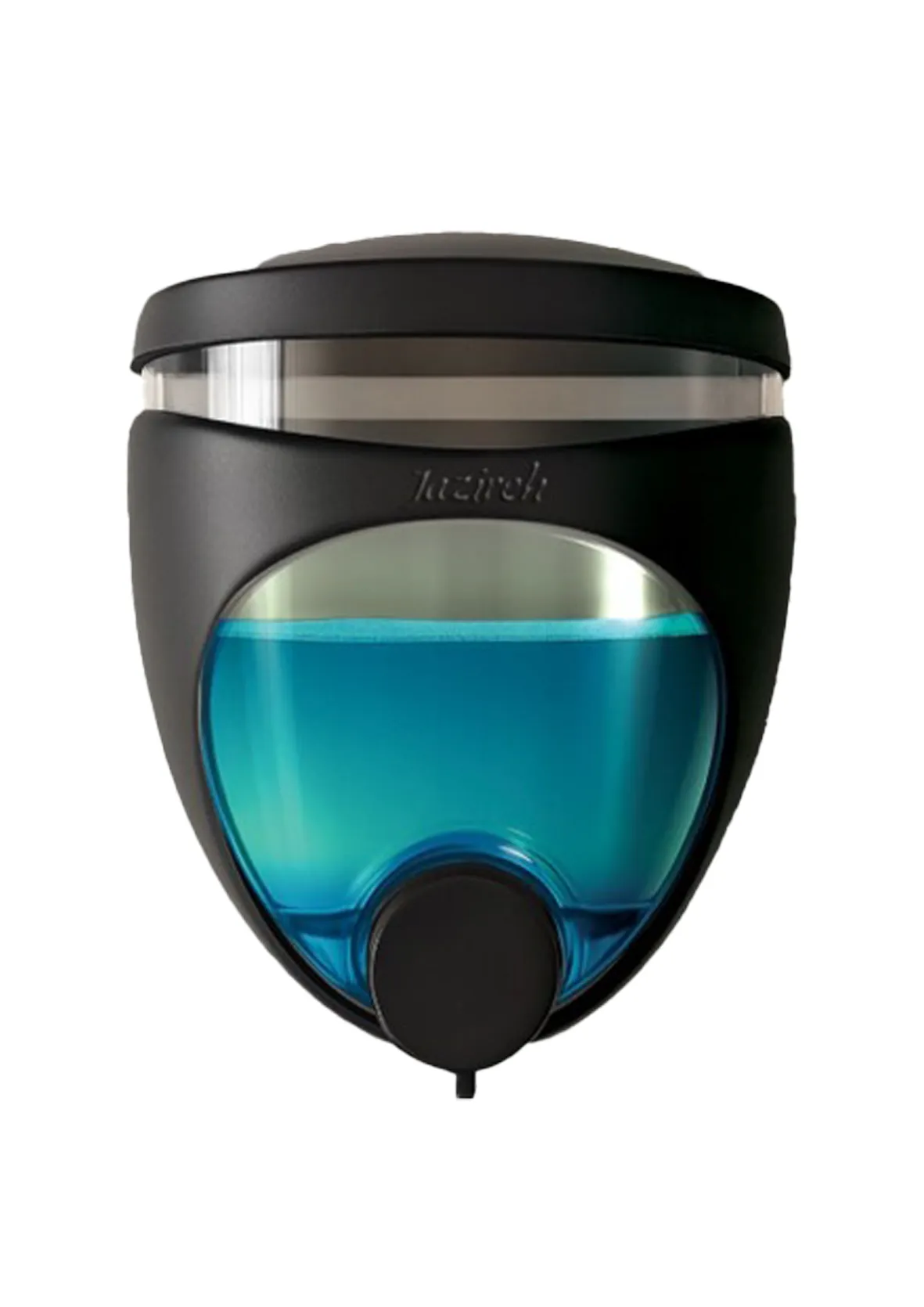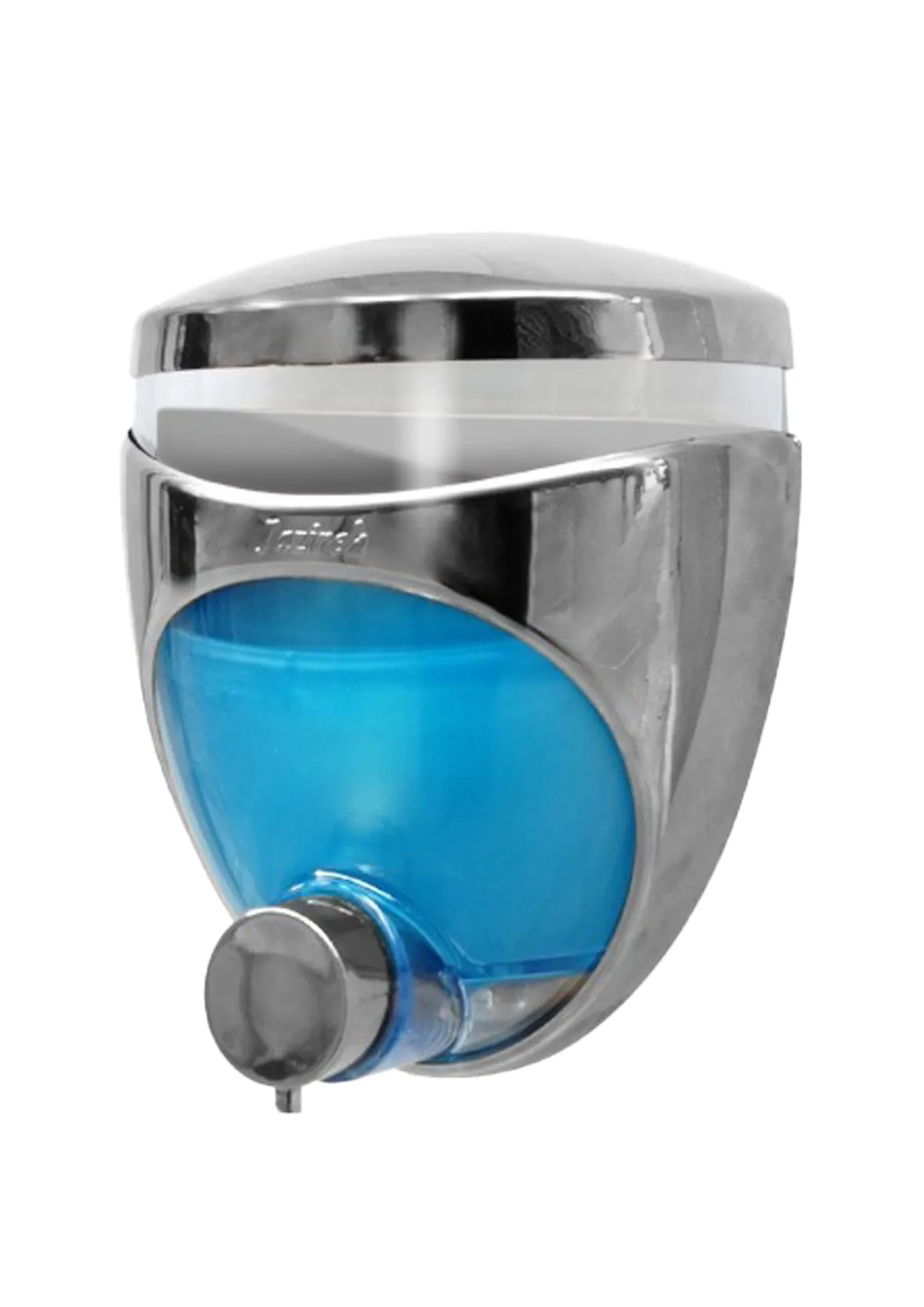
For brands that want to present a hygiene product with a consistent visual identity, printing a logo on a liquid soap dispenser is more than decoration: it signals brand ownership and execution quality. The common options are pad printing, screen printing, labels and custom packaging. The right choice depends on volume, surface material, colour count and the conditions of use.
To choose the right printing method, review the technical criteria for a reliable soap dispenser manufacturer.
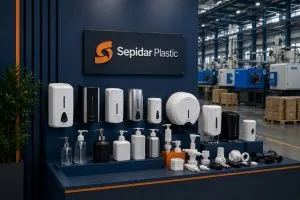
Pad printing for curved surfaces
Pad printing transfers ink with a flexible pad onto curved or recessed surfaces. It delivers a clean, economical result for one- or multi-colour logos on small bodies. Before mass production, approve a printed sample for legibility, adhesion and moisture resistance.
Screen printing for an even, durable coat
In screen printing, ink passes through a prepared mesh to form an even layer on the surface. It suits high-contrast colours and larger runs, but the print area should be relatively flat. Ink type and curing have a direct effect on final durability.
When your order is large, the guide to minimum custom-production quantities can support the decision.
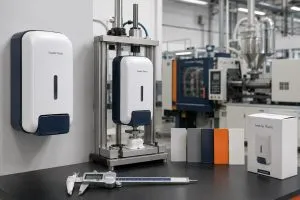
Labels for varied product lines
Labels offer more flexibility when an order needs variable information, barcodes or several graphic designs. Initial cost is lower and artwork can be changed faster, but adhesive quality, the protective coating and water resistance must suit a washroom environment.
Custom packaging for a complete brand experience
If the product is prepared for retail, a corporate gift or export, a custom carton and insert may matter more than printing the body. Confirm carton dimensions, logo placement, information language, barcode and pump protection before the final order.
Before producing the final design, apply the liquid soap dispenser quality checklist to your samples.
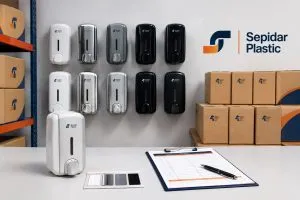
Logo-file and print-sample checklist
- Send a vector logo or a high-resolution file.
- Specify colour codes and the number of print colours.
- Show the exact logo position and edge clearance in the final artwork.
- Test the sample after washing and moisture exposure.
- Approve artwork changes before making the screen or starting the production run.
Frequently asked questions
Which method is best for a curved body?
Pad printing is often suitable for curved surfaces, but the final choice depends on surface material and radius and should follow a sample test.
Are labels suitable for a humid environment?
They can be, when you choose a waterproof adhesive and coating, but adhesion and durability must be tested in real conditions.
For available models, browse the Sepidar product catalogue. For logo printing and private-label production, see Sepidar OEM services. The custom-production MOQ guide can also help plan your order.