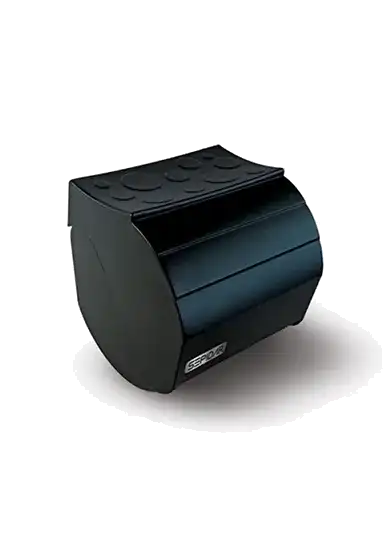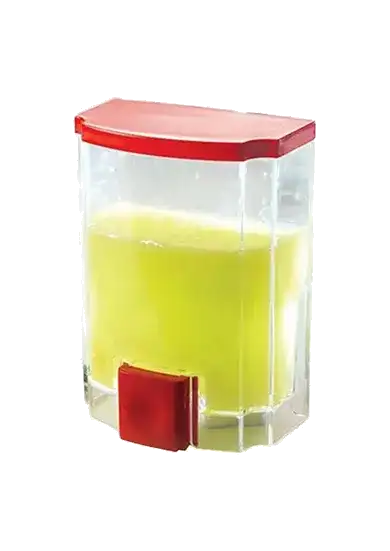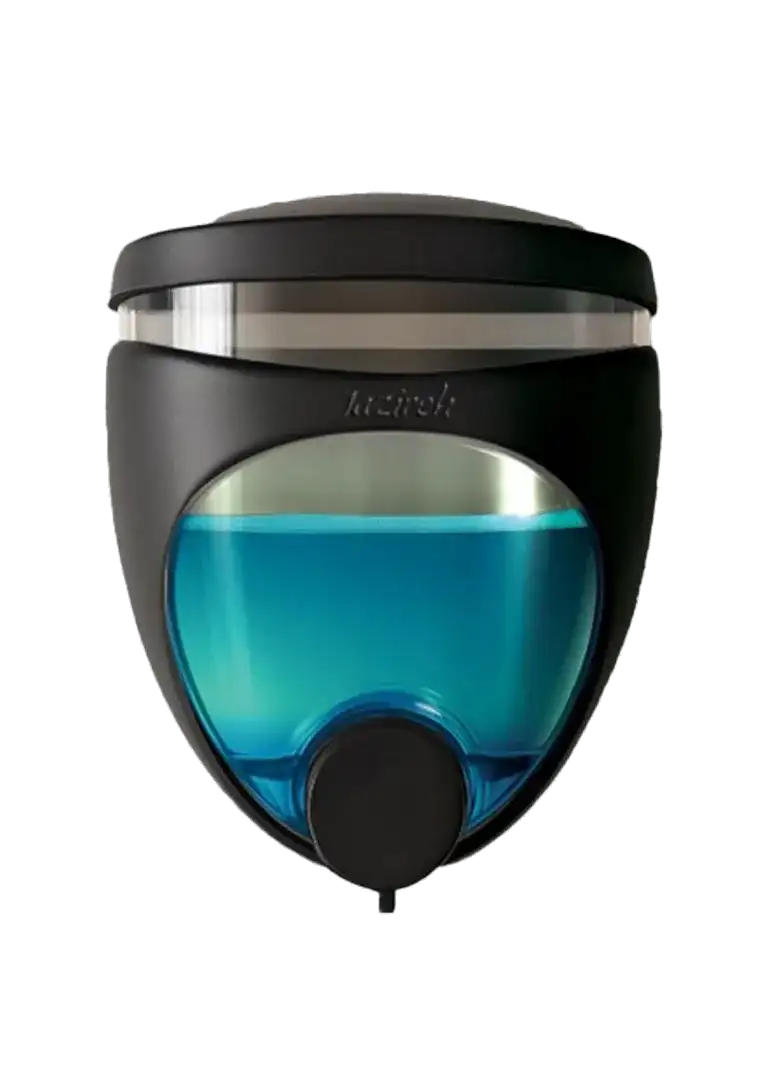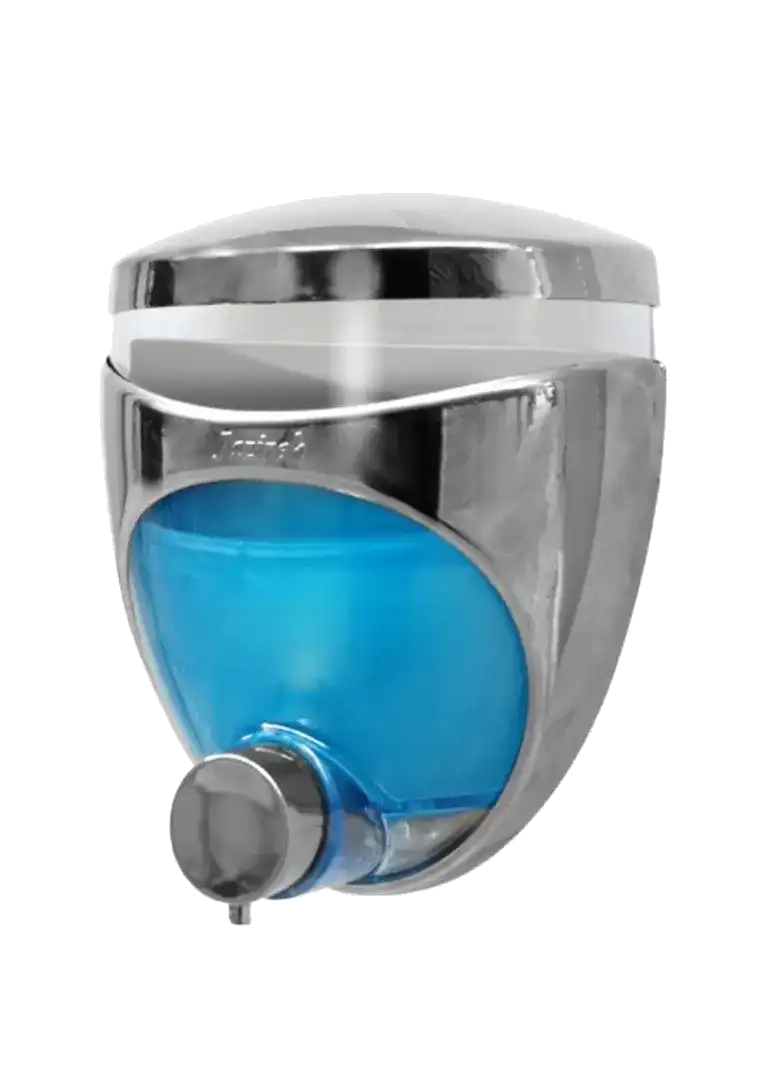
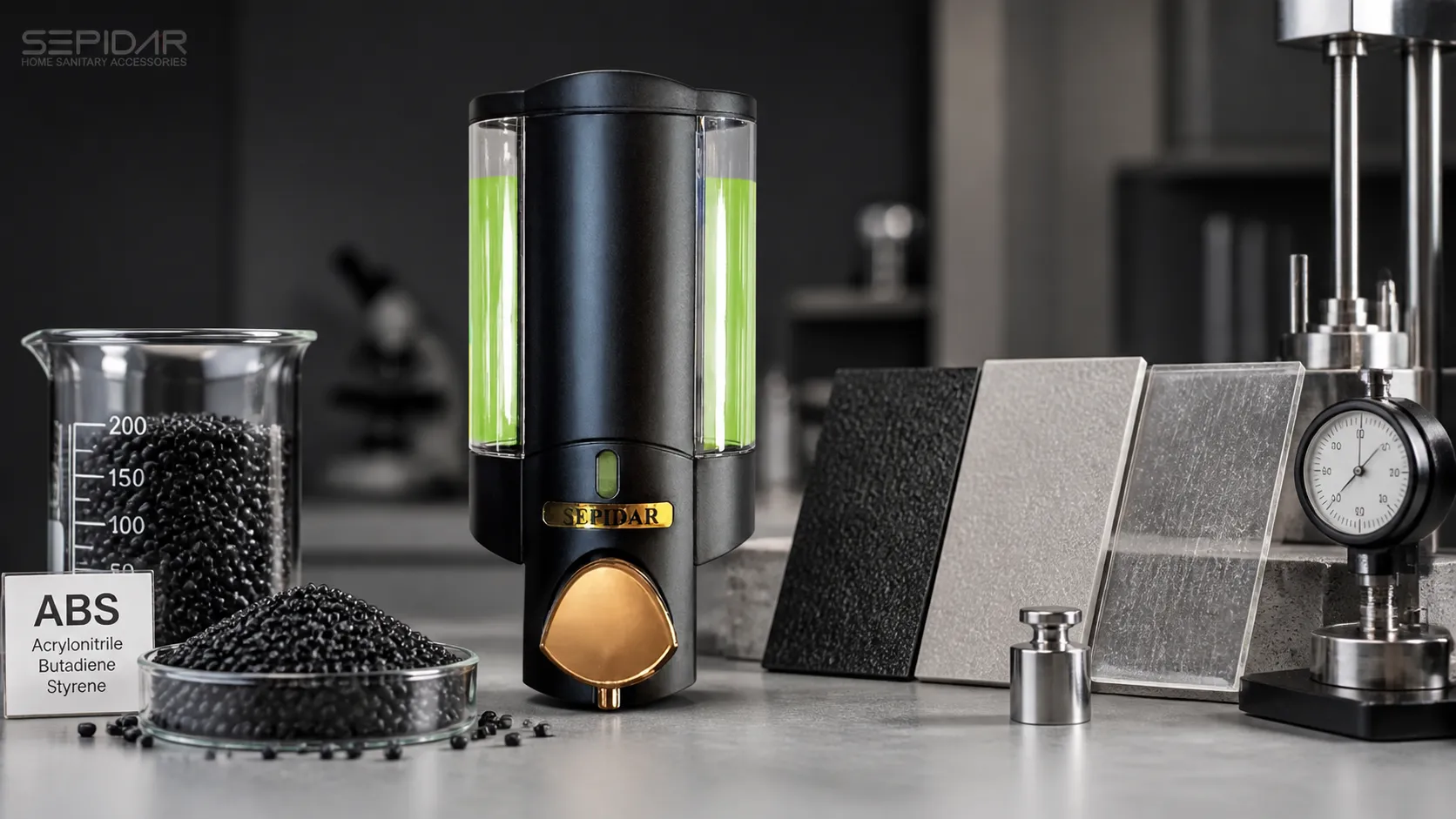
When a product is described as an ABS soap dispenser, the body is made from acrylonitrile butadiene styrene, a polymer used in many consumer and engineered parts for its combination of strength, moldability and surface quality. The material name alone does not guarantee a good product: design, wall thickness, mold quality, injection process and assembly all matter.
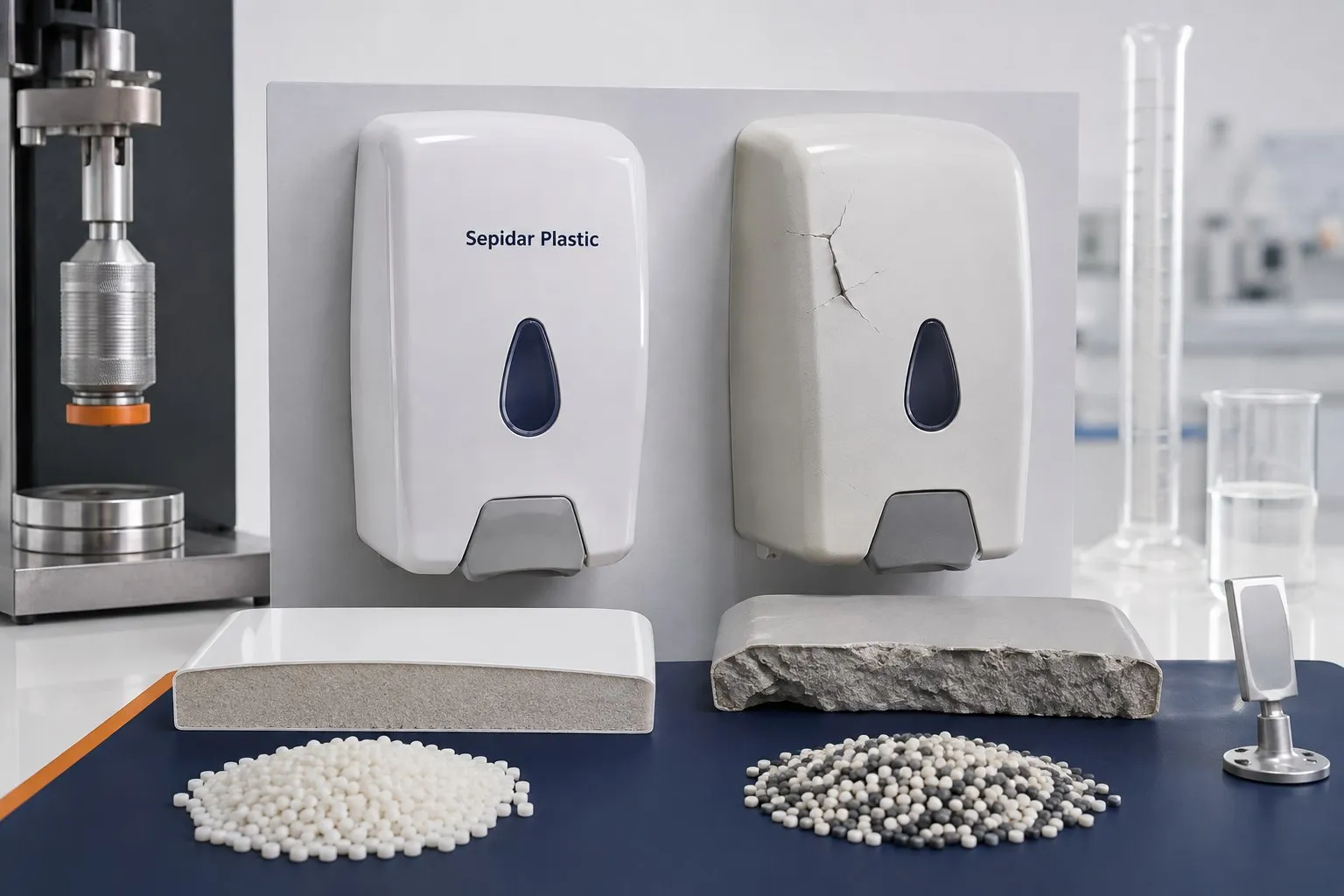
What are the characteristics of ABS?
ABS can provide a consistent surface and good formability, which is useful for accurately shaped components. Impact resistance matters for an item used every day, while the ability to produce different colors and finishes gives designers more options.
What does “ordinary plastic” mean?
“Ordinary plastic” is not a precise technical term. It may refer to different materials or an unspecified recycled blend. Compare actual product specifications rather than two generic labels. Another polymer may also suit a particular use if its design and manufacturing process are appropriate.
Impact resistance and mounting points
On a wall-mounted dispenser, screws, the mounting plate and the latch bear much of the stress. Check samples for hairline cracks, excessively thin walls and uneven flexibility. Strength matters only when it is maintained at every critical point.
Surface quality and appearance
Rough weld lines, dents, warping and color variation may indicate a weak design or inconsistent production. A quality surface should look even under normal lighting, and components should fit together without unusual force.
Is ABS waterproof?
A plastic body generally tolerates everyday moisture, but the water resistance of the complete dispenser depends on its assembly, seams, reservoir and pump. Do not assume that a body material alone makes the complete product leakproof; test it with the intended liquid.
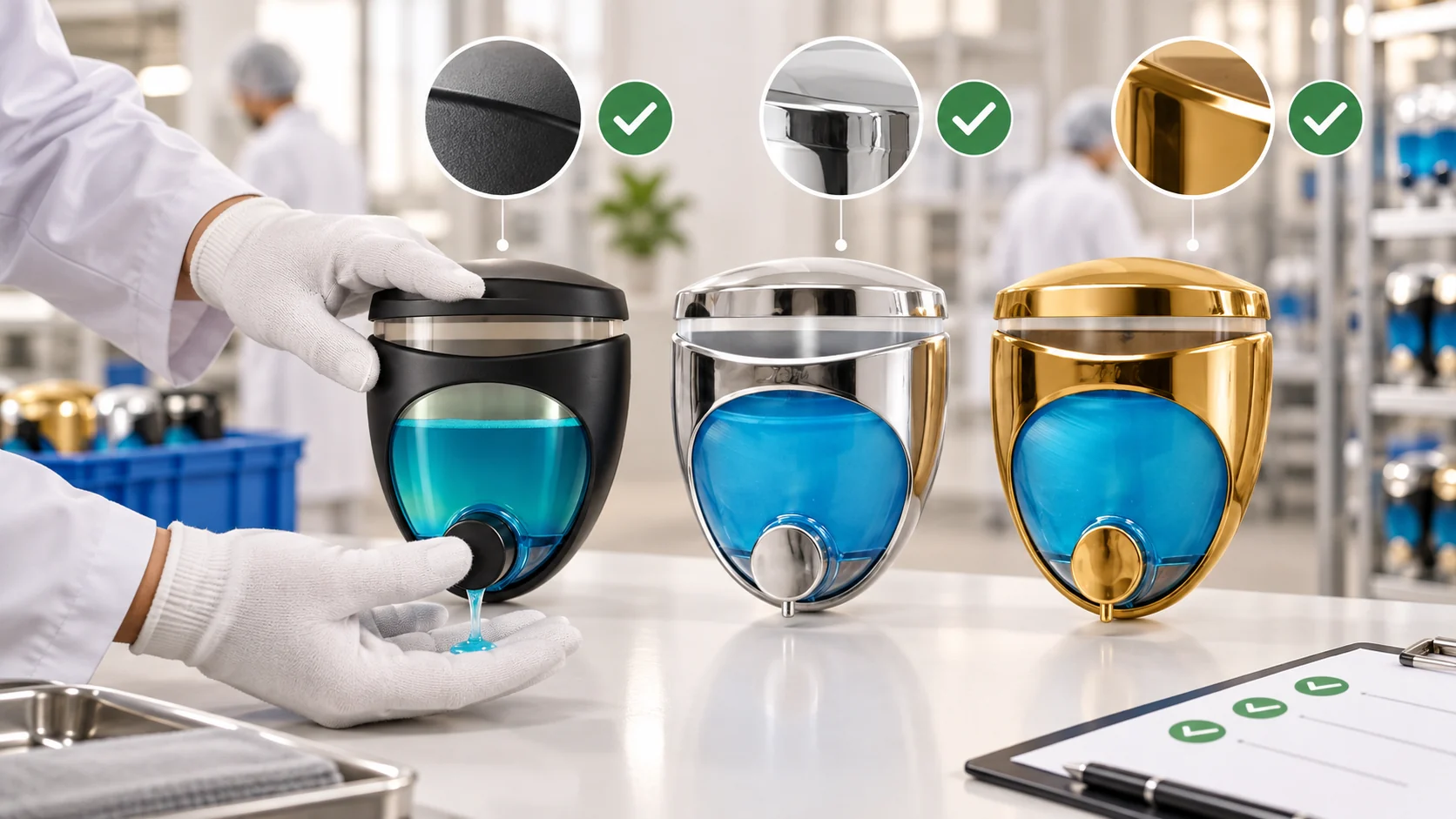
Cleaning and preserving the finish
Avoid abrasive tools and very strong cleaners. A soft cloth and a compatible cleaning solution are usually safer. Metallic or printed surfaces may need different care.
How to assess an ABS dispenser sample
- Inspect the surface, color and edges in even light.
- Check assembly seams and how the cover closes.
- Assess the mounting plate and fixing points.
- Test the pump with the real liquid.
- Ask the supplier about recommended uses and replacement parts.
Choosing for a home or a commercial project
For home use, appearance and easy refilling may be priorities. In a busy project, secure installation, quick servicing and spare-part availability can matter more. Compare Sepidar’s wall-mounted and countertop models by where they will be used.
Conclusion
ABS can be a suitable material for a dispenser body, but final quality depends on the material, design and production working together. Evaluate a complete sample for its finish, assembly, pump and installation instead of relying on one material name. Contact Sepidar Plastic for guidance on selecting a model for your project.