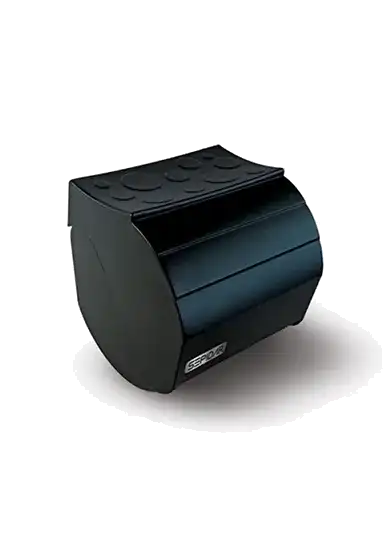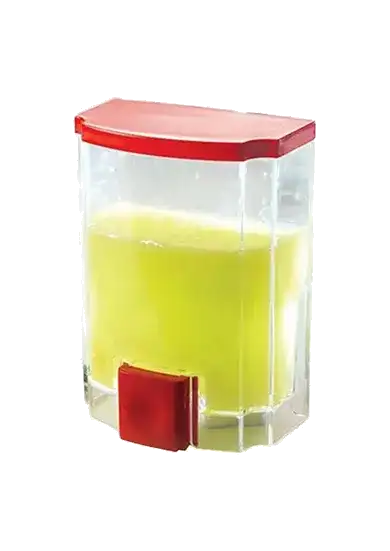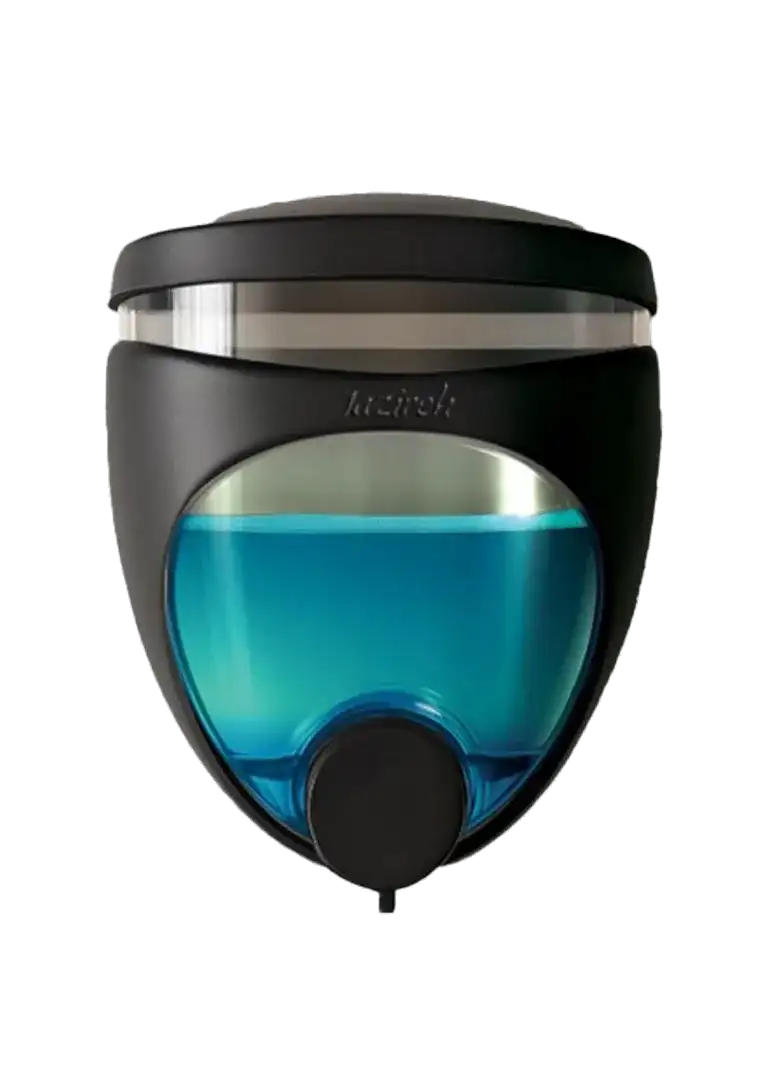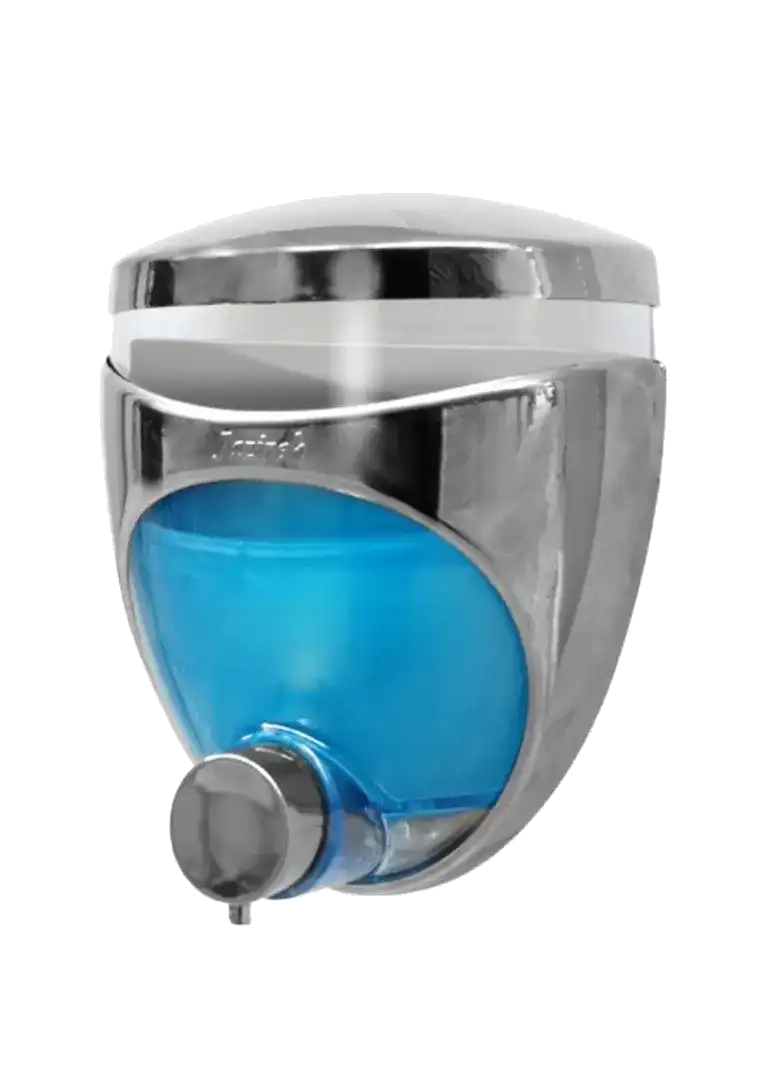
Choosing wall-mounted soap dispenser capacity for a project is about more than tank volume. User numbers, refill frequency, liquid type and maintenance arrangements determine which model suits a hotel, office, hospital or public washroom. This guide offers a practical way to estimate capacity and plan sanitary equipment.
To turn the estimate into a purchasing list and coordinate models, colours, samples and delivery, read our guide to supplying soap dispensers for building projects.
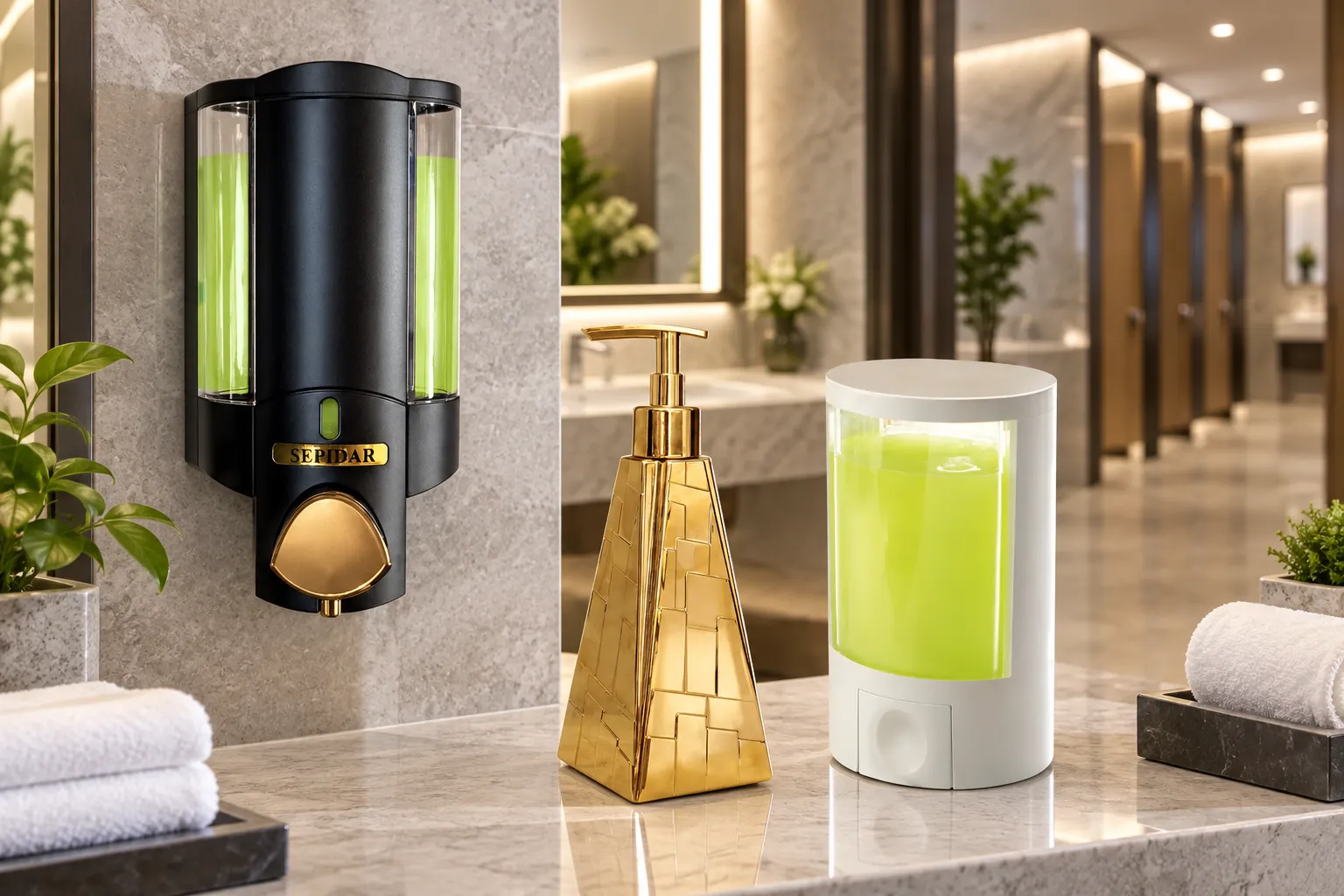
How do you estimate dispenser capacity?
For an initial estimate, multiply daily user numbers by average uses per person and allow a margin for busy days. A compact tank may be enough for a small facility. In a hotel, medical centre or busy office building, a larger tank extends the interval between refills and reduces the service team’s workload.
What affects the choice of tank size?
- Number of users: Count rooms, staff and visitors separately.
- Peak traffic: Lobbies, restaurants and shared washrooms often have uneven demand.
- Liquid viscosity: Thick liquids require a compatible pump and regular servicing.
- Refill schedule: A larger tank may be more practical when daily checks are limited.
- Installation space: Match tank dimensions and basin clearance to the room layout.
Which model works best in a hotel or office?
Hotels often prioritize a consistent appearance and fewer service visits. Offices usually prioritize durability, fast cleaning and simple tank access. Wall-mounted models keep the basin surface clear; countertop models are flexible where drilling or altering a wall is impossible. For installation considerations, read the wall-mounted dispenser installation guide.
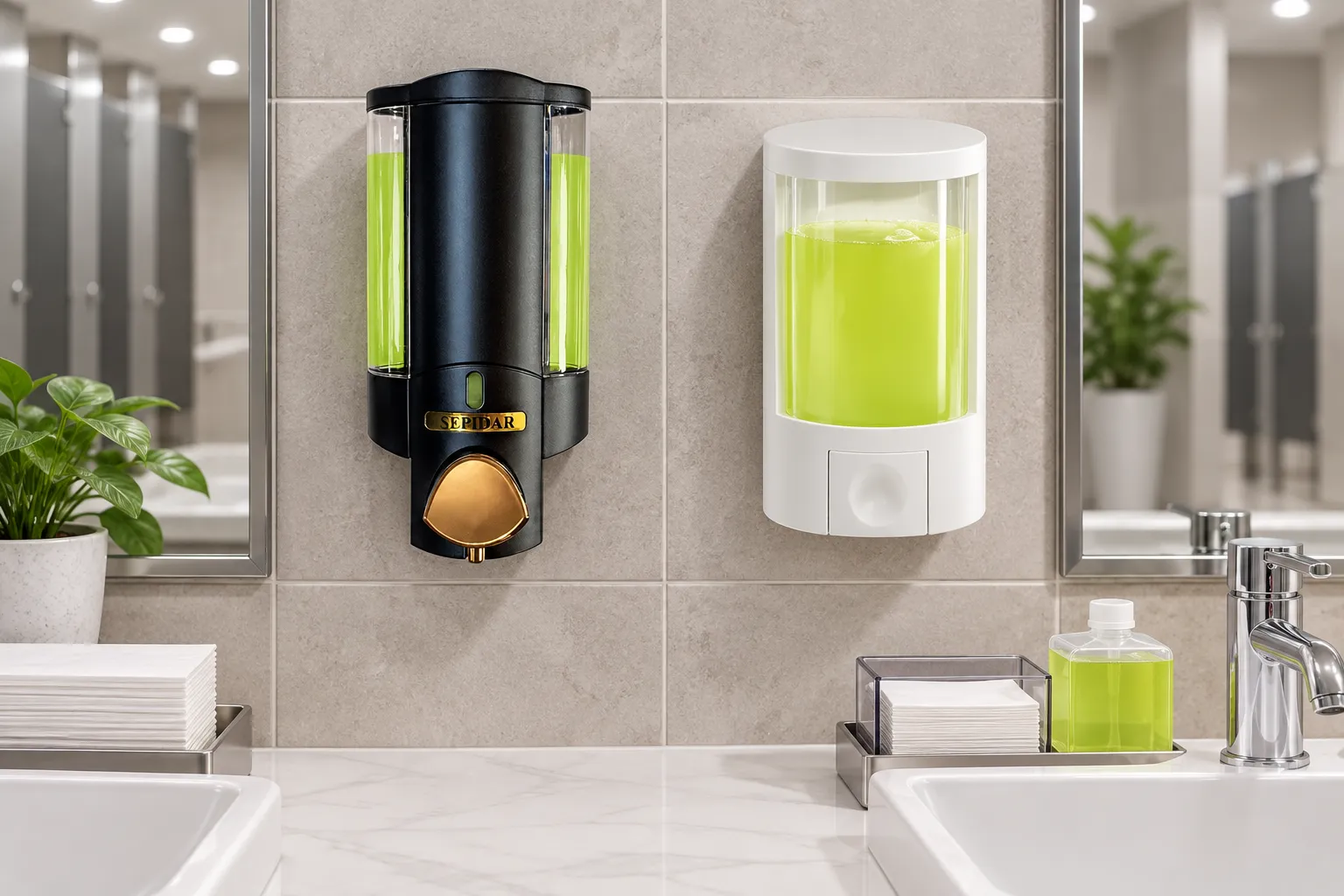
How many units does a project need?
Instead of relying on one fixed number, mark each washroom and user route on the project plan. Provide direct access to a dispenser at every busy point and space several units sensibly in larger washrooms. Before ordering, record the capacity of each unit, number of floors, refill plan and destination in a project schedule. This helps avoid shortages or excess purchases.
Wall-mounted versus countertop capacity
Wall-mounted dispensers are usually chosen to keep public washrooms orderly during continuous use. Countertop dispensers are simpler for renovation projects or places where changing the building fabric is difficult. Both need pumps that suit the liquid’s viscosity and accessible parts for periodic servicing. If output weakens or a pump blocks, our pump troubleshooting guide can help.
Where drips around the nozzle or tank are a concern, check the pump and seals as well as capacity. Our drip-free wall-mounted soap dispenser guide explains what to inspect before choosing a model.
Project orders and custom manufacturing
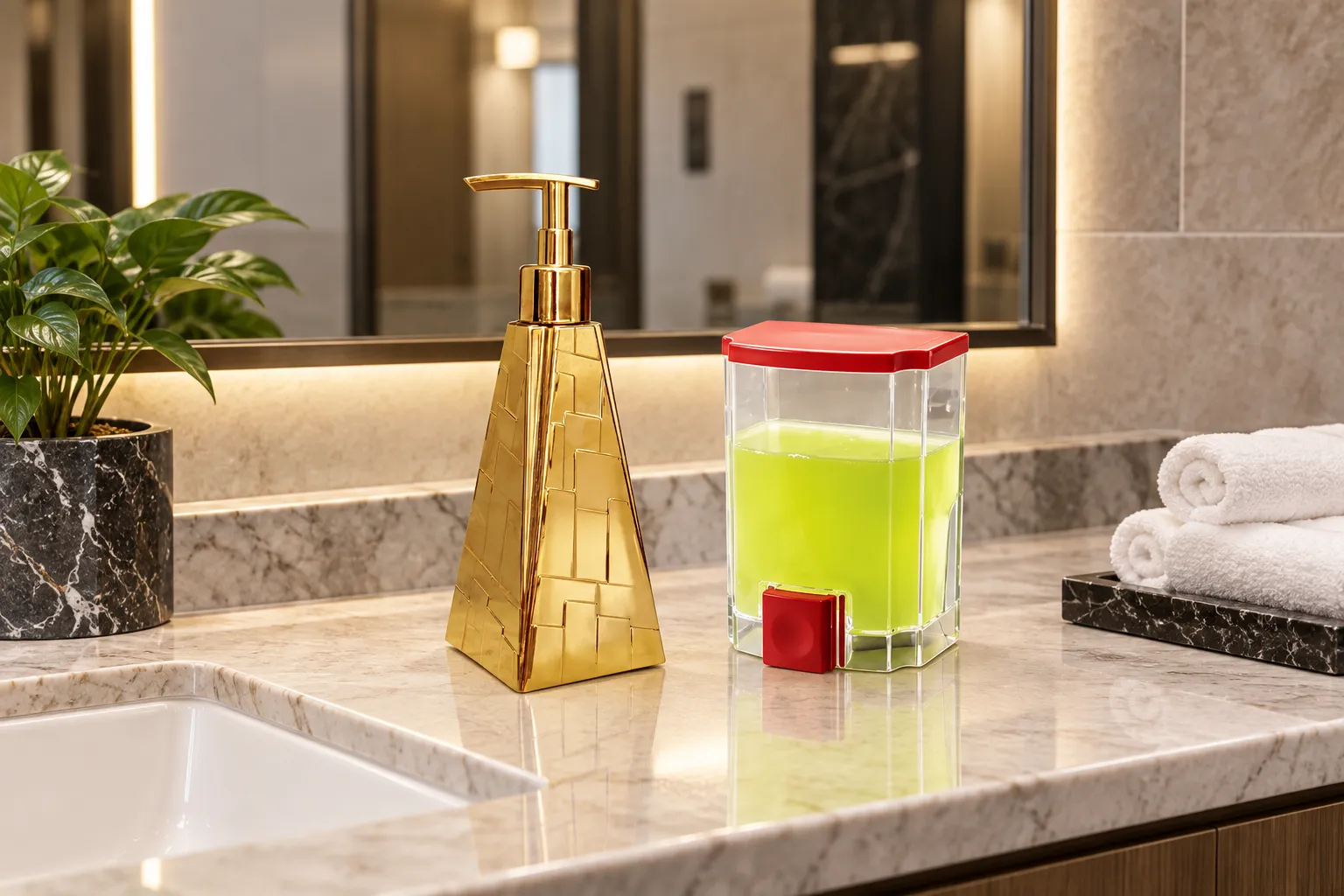
If your project requires a custom colour, high volume, dedicated packaging or brand coordination, send the required capacity and unit counts with the destination and delivery schedule. Sepidar Plastic can review suitable options through its OEM and custom manufacturing services. For advice and quotations, contact Sepidar Plastic.
Frequently asked questions
Is a larger tank always better?
No. Capacity should fit the user count, installation space and refill plan. An oversized tank can occupy unnecessary space.
Where should a medium-sized office start?
Record the number of staff, washrooms and daily cleaning visits. Then choose a capacity with a margin for busy days.
Can a project include several models?
Yes. Different models can suit lobbies and shared washrooms, provided their colours, pump quality and spare-part supply are coordinated.
In summary: The right capacity combines traffic data, installation space, liquid viscosity and the service plan. This improves the user experience while controlling maintenance costs.
Related models and enquiries
Open the product pages to review each model, and confirm your project requirements when requesting a quotation.